


Episode - Choose Your Story
4.3631.54K Reviews
App Specs
- Version
- 27.00
- Updated On
- License
- Free
- Downloads
- 100,000,000+
- Developer
- Episode Interactive
- Categories
- Simulation
- Platform
- Android
Screenshots






 Analysis by AppCompare
I came to Episode - Choose Your Story expecting a light reading break, and found something closer to an interactive TV drama: I follow a character, make decisions, and watch the scene play out. That format is the main appeal. Instead of simply turning pages, I get to shape the mood and direction of a story, even when a choice only changes a conversation rather than transforming the whole plot.
Episode is a free simulation game from Episode Interactive, rated Teen. It has a 4.3 average from around 4.3 million ratings and more than 100 million installs, so it has clearly found an audience for this mix of reading and visual drama. The current version is 26.71, and the game supports Android 8.0 and later. Optional in-app purchases range from $0.25 to $99.99 per item, so I’d approach the free stories first and decide for myself whether anything paid is worth it.
What to expect from the stories
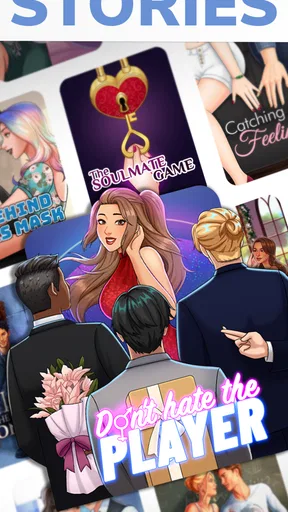
The first thing to understand is that Episode is not one continuous adventure with a single cast. It is a collection of interactive stories, and the experience depends heavily on which one you choose. Romance, drama, mystery, and adventure all suit the format, but the writing style and pacing can vary from one story to the next. I wouldn’t judge the entire app by the opening of a single series; trying a different genre can make a big difference.
Guides and Analysis on Episode - Choose Your Story
Stories combine dialogue, character poses, backgrounds, and scene changes to give reading a more visual rhythm. That can make a quick chapter feel more like watching a short animated scene than reading a conventional novel. On the other hand, if you prefer long stretches of uninterrupted prose or fully animated action, the presentation may feel stop-and-start. The appeal is in following conversations and choosing how your character responds, not in fast gameplay.
Getting started without overthinking it
For a first visit, I’d browse by the kind of mood I want rather than trying to find the “best” story immediately. Pick a premise that sounds fun, begin reading, and give it enough time to establish its characters. Since the library includes different voices and genres, a story that doesn’t suit you is a reason to switch, not a sign that the whole app is a poor fit.
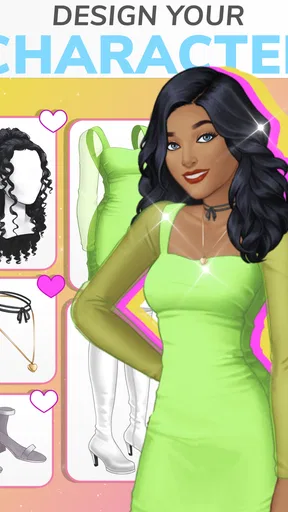
Customization is part of that first impression. You can shape your avatar’s appearance and clothing, which gives the character a more personal feel. My practical tip is not to spend too long perfecting every detail before you know whether you like the story. Choose a look you enjoy, start the chapter, and adjust your expectations around the writing and choices first; the plot is what will determine whether you want to keep going.
Making your first choice count
When a decision appears, I try to answer in the way I think the character would act, rather than hunting for a supposedly perfect option. That keeps the story coherent and makes the result feel like my version of the scene. Some choices can steer later events or lead to different outcomes, while others work more like a character moment. Part of the fun is seeing which kind you’ve encountered.
Worth Reading Before You Choose

Ludo King Makes the Most of the Minutes Between Plans

Baby Panda World Brings Quick Play to Modern Phones, but Its Game Library Feels Busy

ESPN’s Live Game View Makes Following Close Games Easier

QuizzLand Review: A Good Fit for Short Trivia Breaks, Not Every Player

Basketball Stars: Multiplayer Is Fast, but Can It Recover When Matches Go Wrong?

WEBTOON Turns Phone Updates Into a Better Reading Routine
If I’m curious about another path, replaying a story can reveal how a different response changes the experience. I wouldn’t assume every alternate choice creates a completely separate plot, though. Treat replay as a way to explore variations and satisfy curiosity, not as a promise that every branch will lead to a wholly new story. That distinction helps set realistic expectations and makes the choices enjoyable without turning each one into a test.
Where the variety comes from
The writing is a mix of stories from Episode’s team and user-created work, so there is room for different styles and ideas. That breadth is a strength when I want to browse around, but it also means consistency is not guaranteed across the whole catalogue. I may find a story with a premise and voice I love, then move on from another that doesn’t hold my attention. Sampling is a better strategy than expecting every title to feel equally polished.
The range of genres makes the game especially useful for short, mood-based sessions. I might choose a romance when I want something light, or look for mystery when I feel like following clues and character motives. If I’m in the mood to make something rather than read, the platform also offers a way to write stories. That is a different kind of commitment: creating a story asks for more patience than casually sampling chapters, so I’d start with reading and explore writing only if the format itself inspires me.
Visual presentation and the reading rhythm
Episode uses colorful character art and settings to keep scenes legible and expressive. The interface is easy to follow once a story is underway, and animated transitions and sound effects add atmosphere. I like that the presentation makes it clear who is speaking and helps a scene feel staged, but it still leaves plenty to the imagination. It is closer to an illustrated drama than a full animated show.
For a more comfortable session, I’d pick a moment when I can pay attention to dialogue and choices. A story can be read in small chunks, which works well during a quiet break, but constantly switching attention between the screen and another task makes it easy to miss a line or choose quickly without thinking. If I’m only half-focused, I keep the stakes low and don’t worry about making a choice I might later want to revisit.
Community and creating your own stories
The community side can add value if you enjoy talking about plots or sharing creative interests. It gives the app a social dimension beyond reading alone, and writers can seek feedback on their work. I’d treat community participation as an optional extra rather than a requirement: the core experience is still following stories, so someone who wants a private, solo activity can use the app without making social interaction the point.
Writing your own story is most appealing when you already know what you want to explore. It offers a creative outlet, but it is not the quickest route to a satisfying first session. I’d first read a few different stories and notice what makes their scenes engaging: how quickly a premise becomes clear, whether character choices feel believable, and how dialogue moves the plot. Those observations give a new writer a more useful starting point than trying to build a large story before understanding the format.
When Episode fits—and when it doesn’t
I’d recommend Episode to someone who likes character-driven plots, expressive visuals, and small decisions that make a story feel personal. It is especially convenient when I want an easy-to-pick-up activity that still asks me to pay attention. A realistic use is winding down after dinner: I can read a scene or two, make a few choices, and stop when I’m ready, rather than needing a long gaming session to make progress.
Compared with a standard novel-reading app, Episode puts more emphasis on visuals, dialogue, and active decisions, but it offers less of the uninterrupted prose some readers want. Compared with a conventional mobile game built around reflexes or tactical systems, it is much slower and more focused on narrative. If I want a fast challenge, a deep strategy game, or a book that lets me set my own reading pace without interruptions from choices, I’d pick something else. Episode is best when I specifically want to participate in a drama.
Choices, spending, and a sensible first session
Because purchases are available, I’d pay attention to how I feel about optional spending before settling into a long story. The game is free to start, and I would explore its no-cost content before paying for anything. If a purchase appears at a moment when I’m invested in the plot, I’d pause and ask whether I want that particular benefit enough to spend on it. That small habit keeps an emotional cliffhanger from making the decision for me.
My first-session plan is simple: choose a story with a premise I genuinely like, customize the character briefly, and read until I’ve seen how the dialogue and decisions work. If the opening doesn’t click, try another story rather than forcing it. Once I find a series I enjoy, I can pay closer attention to how choices affect later scenes and decide whether replaying is worthwhile. This makes the first meaningful success finding one story that holds my interest, not completing a checklist or exploring the entire catalogue.
The World of Episode
Once you dive into Episode, you’re greeted with a plethora of stories spanning various genres. Whether you’re into romance, drama, adventure, or mystery, Episode has got you covered. The collection is vast, and new stories are added regularly, keeping things fresh and exciting.
The app is designed in such a way that you’re not just reading a story; you’re living it. You get to decide how your character looks, what they wear, and most importantly, the choices they make. It’s these decisions that influence the storyline, leading to multiple possible endings. It’s like a choose-your-own-adventure book, but way cooler.
Customization and Choices
One of the standout features of Episode is the level of customization it offers. You can personalize your avatar to look exactly how you want, which adds a nice personal touch to the stories. From hair color to outfits, the options are pretty extensive. This makes the experience feel more immersive because it feels like you’re watching yourself in a movie.
Choices play a crucial role in the app. Every decision you make has consequences, which can lead to different plot twists or outcomes. This means that no two playthroughs are exactly the same, which adds a lot of replay value. You’ll find yourself going back to see how different choices affect the story, which is where the real magic of Episode lies.
Story Quality and Variety
The quality of the stories in Episode is generally high. The writing is engaging, and the plots are well thought out. Some stories are created by Episode’s team, while others are user-generated. This mix ensures a wide range of styles and narratives. You might stumble upon a hidden gem written by a fellow user that becomes your new favorite.
Moreover, the variety in genres means there’s something for everyone. Whether you want an epic fantasy adventure or a steamy romantic saga, Episode delivers. And if you’re feeling creative, you can even write your own story using their platform, which is a fun way to express yourself and share your creativity with others.
Visuals and User Experience
The visuals in Episode are worth mentioning. The graphics are vibrant and eye-catching, with detailed character designs and environments. It’s almost like watching an animated series, which adds to the storytelling experience. The interface is user-friendly, making navigation through the stories a breeze.
One thing I really appreciate is how Episode handles transitions between scenes and chapters. The animations are smooth, and the sound effects enhance the atmosphere, making the stories even more captivating. It’s clear that a lot of effort has gone into making the app visually appealing and engaging.
The Community Aspect
Episode also has a strong community aspect. You can connect with other players, discuss your favorite stories, and even collaborate on story ideas. This social element adds another layer to the app, making it more than just a solo experience. It’s a great way to meet like-minded people and share your passion for interactive storytelling.
Additionally, being part of a community means you can get feedback on your own stories if you decide to create. It’s a supportive environment that encourages creativity and collaboration, making it a vibrant space for anyone interested in storytelling.
Final Thoughts
Overall, Episode - Choose Your Story is a fantastic app for anyone who enjoys interactive tales with a personal twist. Its vast library, high level of customization, and engaging community make it a standout in the world of mobile storytelling apps. While some stories might require in-app purchases to unlock certain features or chapters, there’s still plenty of free content to enjoy.
So, if you’re looking to get lost in a world where you make the rules, Episode is definitely worth checking out. Just be prepared to spend a lot of time exploring the countless stories it has to offer. Trust me, once you start, it’s hard to stop!
Pros
- Engaging storylines keep users hooked.
- Diverse genres cater to many interests.
- High-quality graphics enhance experience.
- Customization options for characters.
- Regular updates add new stories.
Cons
- In-app purchases can be expensive.
- Some stories require frequent tickets.
- Ads can interrupt gameplay.
- Limited offline functionality.
- Long wait times for new episodes.
FAQs for Episode - Choose Your Story
What is Episode - Choose Your Story about?
Episode - Choose Your Story is an interactive storytelling platform where players can create and engage in a variety of stories. Users can choose from numerous genres, including romance, drama, and fantasy. Each story allows players to make choices that influence the plot and outcome, providing a personalized narrative experience.
How does the choice-making mechanism work in Episode?
In Episode, players are presented with various decision points throughout the story. These choices can impact character relationships, plot twists, and endings. Some choices require in-game currency called 'gems' to unlock premium options. This mechanism offers replayability as different choices lead to varied storylines and conclusions.
Is Episode free to play, and are there in-app purchases?
Episode is free to download and play, but it includes in-app purchases. Players can buy 'gems' and 'passes' to access premium choices and unlock new episodes faster. While it's possible to enjoy the game without spending money, in-app purchases can enhance the experience by providing additional content and customization options.
Can I create my own stories in Episode?
Yes, Episode allows users to create their own stories using the Episode Studio. This tool provides a user-friendly interface to write scripts, design characters, and set scenes. Creators can publish their stories for others to read, offering an opportunity to share their creativity with a global audience.
What age group is Episode suitable for?
Episode is recommended for players aged 13 and above due to mature themes and content in some stories. The app includes a variety of genres, some of which may feature romance or dramatic scenarios. Parents should review content and settings to ensure suitability for younger players.


